
60’s Music - Songs
The songs of the 1960s reflect a decade of rapid change. Popular music accompanied the rise of youth culture, the widespread use of the 45 rpm single, the power of radio and the arrival of new sounds. From lighthearted songs to politically engaged works, they became a direct reflection of the hopes and tensions of the era.
The Beginning of the Decade
At the beginning of the 1960s, popular music still continued several trends that had emerged during the previous decade. Rock ’n’ roll remained important, but it was increasingly combined with polished production designed for radio and for a rapidly growing teenage audience.
Solo singers occupied a prominent place. Record companies looked for instantly recognizable voices and memorable choruses. Songs often dealt with love, separation, jealousy, dancing or youthful dreams.
Female vocal groups also enjoyed great popularity. Their songs relied on carefully arranged harmonies, catchy rhythms and romantic stories. The singers were frequently accompanied by studio musicians and arrangements featuring strings, brass, piano and percussion.
Many songs from the beginning of the decade were also associated with fashionable dances. The twist, in particular, became an enormous success. Other dances appeared in quick succession, each accompanied by songs designed to be easily performed in dance halls and on television programmes.
The Arrival of British Groups
The middle of the 1960s was marked by the massive arrival of British groups on the North American charts. This phenomenon profoundly transformed popular music.
These groups drew inspiration from American rock ’n’ roll, blues, rhythm and blues and vocal music. They reinterpreted these influences with renewed energy and a powerful visual identity.
The classic lineup of two guitars, bass and drums became widespread. Songs were often short, direct and built around an immediately memorable chorus.
British groups also placed increasing importance on writing their own songs. The model of groups performing only compositions written by professional songwriters gradually began to decline.
The success of this music also depended on the artists’ image. Hairstyles, clothing, promotional photographs and television appearances all contributed to their popularity. A song was no longer merely heard; it was also associated with an attitude, a style and a generation.
Soul and the Motown Sound
Soul music held a major place during the 1960s. It combined the traditions of gospel, blues and rhythm and blues with production intended for a broad audience.
Soul songs often emphasized the power of the voice. Performers used changes in intensity, cries, pauses and repetition to express passion, pain or determination.
Brass instruments, bass lines, backing vocals and percussion played essential roles. The songs could be highly danceable while still carrying a strong emotional charge.
Motown developed a highly structured production method. Teams of songwriters, musicians and producers worked together to create effective and accessible songs.
The Motown sound was generally distinguished by precise rhythms, clear melodies, elaborate harmonies and polished production. The songs mainly addressed love, desire, loyalty, heartbreak and hope.
This music allowed many African American performers to reach a very wide audience, even though segregation and inequality remained deeply rooted in the United States.
Folk and Protest Songs
Folk music experienced a revival at the beginning of the 1960s. It often featured a singer accompanied by an acoustic guitar, sometimes supplemented by harmonica or a small instrumental ensemble.
Lyrics occupied a central place. Songs told stories, described everyday life or commented on social issues.
The civil rights movement inspired many works. Some songs were performed during marches, gatherings and demonstrations. They became ways of expressing solidarity and hope.
The Vietnam War, the nuclear threat and political tensions also fuelled protest music. Songwriters questioned authority, violence, justice and freedom.
During the decade, several folk musicians adopted electric instruments. This change sometimes provoked negative reactions among listeners who were attached to a more traditional approach.
It nevertheless helped bring folk and rock closer together and led to songs whose lyrics were more personal, poetic and sometimes more difficult to interpret.
Songs About Surfing, Cars and Youth
On the West Coast of the United States, many songs celebrated beaches, surfing, automobiles and the freedom associated with youth.
Vocal harmonies often played an important role. Voices were layered with great precision, while guitars and percussion created a sense of movement.
Fast cars also became a frequent subject. They symbolized independence, speed and the possibility of escaping the adult world.
These songs often presented an idealized image of California filled with sunshine, beaches, parties and romance. This image had a lasting influence on popular culture, even among listeners living far from the American coast.
Garage Rock
Alongside highly polished productions, thousands of young groups recorded songs with more limited resources.
Garage rock was distinguished by its direct sound, distorted guitars, simple rhythms and sometimes shouted vocals. The songs were generally short and energetic.
Many of these groups achieved only one regional or national success. Their recordings nevertheless retained a particular spontaneity.
The lyrics often dealt with frustration, rejection, desire or rebellion. Instrumental technique mattered less than the energy being communicated.
This raw sound would later influence punk and other forms of rock based on simplicity and intensity.
Psychedelic Songs
Beginning in the middle of the decade, some songs attempted to create stranger and more immersive experiences.
Artists used studio effects, unusual instruments, reversed tapes, echoes, changes in speed and complex layers of sound.
Lyrics sometimes became symbolic, surreal or difficult to explain. They could evoke dreams, perception, colours, inner journeys or imaginary worlds.
Psychedelic music was closely associated with the counterculture, artistic experimentation and the questioning of traditional values.
Songs did not always follow the usual verse-and-chorus structure. Some included long instrumental passages or sudden changes in rhythm and atmosphere.
Increasingly Elaborate Arrangements
As the decade progressed, the recording studio became a genuine creative instrument.
Producers and sound engineers added orchestras, choirs, classical instruments, electronic sounds and effects that were difficult to reproduce onstage.
Some songs combined electric guitars, violins, trumpets, harpsichords, sitars and sounds recorded in the street.
The result could be extremely dense, even in a song lasting only a few minutes. Arrangements no longer served merely to accompany the singer; they became an essential part of the work.
This development helped transform popular song into a field of experimentation comparable to cinema or the visual arts.
The Emergence of a Heavier Sound
At the end of the 1960s, several groups adopted louder guitars, heavier rhythms and more powerful vocal performances.
Blues remained a major influence, but it was amplified and transformed. Guitar solos became more prominent, while songs could grow considerably longer.
Some groups placed greater emphasis on improvisation and instrumental virtuosity. In concert, musicians could greatly extend songs that were much shorter on record.
This heavier sound anticipated several major developments of the 1970s, including hard rock and heavy metal.
Radio, Television and the 45 rpm Single
The circulation of songs depended largely on radio. Programmers preferred short, catchy recordings capable of capturing the listener’s attention immediately.
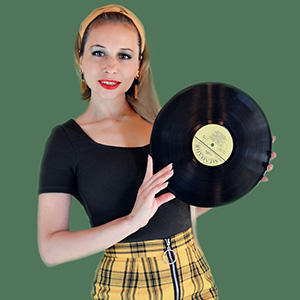
The 45 rpm single allowed people to buy a popular song without purchasing a full album. One song appeared on the main side, while another was placed on the B-side.
Television programmes also played a decisive role. Artists performed before audiences, took part in interviews or appeared in carefully staged segments.
Some performances became national events. A single television appearance could introduce a group to millions of viewers.
Films and soundtracks also contributed to the success of many songs. A title associated with a memorable scene could acquire a new meaning and reach a much wider audience.
Festivals and Large Gatherings
The end of the 1960s was marked by several festivals bringing together large numbers of performers and spectators.
These events gave greater space to extended performances, improvisation and collective experience. They contributed to the image of music as a means of expression for an entire generation.
Songs performed onstage could differ greatly from their recorded versions. Musicians changed the arrangements, added solos or encouraged audience participation.
Festivals therefore became symbols of freedom, protest and togetherness, even though their organization was sometimes chaotic.
A Decade of Contrasts
The songs of the 1960s did not follow a single direction. Sentimental and carefully orchestrated productions coexisted with garage rock, protest folk, soul, psychedelic music and the earliest forms of heavy rock.
One song could be lighthearted and intended for dancing, while another addressed war, civil rights or conflict between generations.
This diversity explains why the decade remains associated with so many instantly recognizable choruses, voices and sounds.
Quiz questions preview
-
Who sang "I Heard It Through The Grapevine" in 1968?
Marvin Gaye | Ray Charles | James Brown | Stevie Wonder -
Who sang "Paper Sun" in 1967?
Joe Cocker | Manfred Mann | Traffic | Derek and the Dominos -
Who sang "Scarborough Fair" in 1968?
The Beatles | Simon and Garfunkel | Paul Mauriat | The Chambers Brothers -
Who sang "Ruby Tuesday" in 1967?
Martha and the Vandellas | Brenton Wood | The Rolling Stones | Strawberry Alarm Clock -
Who sang "Hey Jude" in 1968?
The Beatles | The Gods | The 5th Dimension | Steely Dan